


Early Orthodontic Evaluations for Children
Although there is no exact age for children to begin orthodontic treatment, the American Association of Orthodontists recommends a visit to an orthodontist around age seven.
By this age, most children have a mix of baby teeth and adult teeth, making it easier for Dr. Bally to diagnose and correct tooth and jaw problems sooner and without surgery.
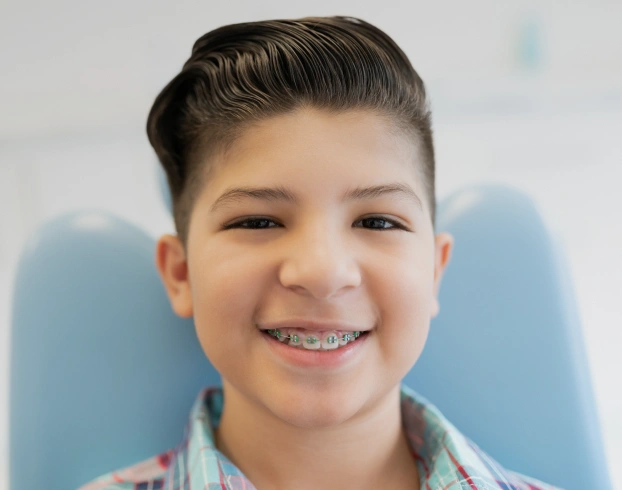
Early treatment allows our office to:
- Correct and guide the growth of your child’s jaw to help the permanent teeth come in straight
- Regulate the width of the upper and lower arches
- Create more space for crowded teeth
- Avoid the need for permanent tooth extractions later in life
- Correct thumb sucking and help improve minor speech problems
For parents, it's not always easy to know if your child may need orthodontic treatment.
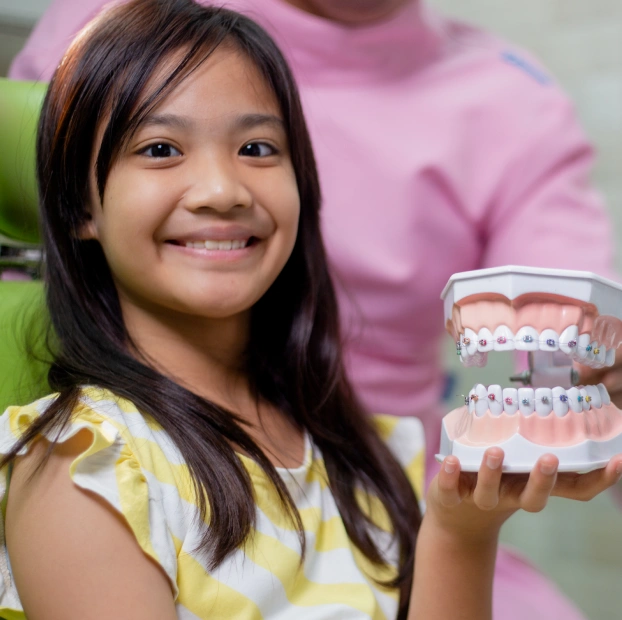
Early Orthodontic Treatment for Children
What is the difference between early orthodontic treatment and regular orthodontic treatment, and why might my child need early treatment? How will early treatment benefit my child in the long run?
These are just a few of the questions surrounding the topic of early orthodontic treatment for children. The American Association of Orthodontists recommends that children see an orthodontist as early as age seven. At this point we will evaluate whether your child will need orthodontic treatment.
Early treatment (also known as Phase One) typically begins around age eight or nine. Phase Two will begin around age 11 or older. The goal of early treatment is to correct the growth of the jaw and certain bite problems, such as underbite. Early treatment also helps to make room for permanent teeth to come in properly, which lessens the chance of extractions in the future.
Here are a few things to look for that may mean your child needs to see us:
- Early or late loss of baby teeth
- A hard time chewing or biting food
- Mouth breathing
- Finger or thumb sucking
- Crowded, misplaced, or blocked teeth
- Jaws that pop or make sounds when opening and closing
- Teeth that come together abnormally, or do not come together at all
- Jaws and teeth that are not proportionate to the rest of the face
- Crowded front teeth around age seven or eight
Please contact our practice to schedule an appointment for an orthodontic evaluation. Early treatment now will give your son or daughter a healthy, beautiful smile for the future.
What causes orthodontic problems, and how will early treatment benefit my child?
Orthodontic problems such as crowding of the teeth, too much space between them, jaw growth problems, protruding teeth, and bad bites can be inherited or caused by injury to the mouth, early or late loss of baby teeth, or thumb-sucking habits.
Most children lose all their baby teeth by age 13. By the end of their teen years, the jaw bones will harden and stop growing. Orthodontic procedures for adults often take more time and can involve tooth extraction or oral surgery. Receiving early orthodontic treatment as a child can help prevent the need for orthodontics as an adult, leaving little to no chance of extraction or surgery in the future.
If your youngster is between the ages of seven and eight and shows signs of needing orthodontic care, or you have been directed by your family dentist to visit our office, please contact us and schedule an appointment. Our team will provide your child with an initial exam, and discuss with you the best steps to take toward caring for your son or daughter’s smile.

Everything Teens Need to Know About Braces
Braces, retainers, and everything else you want to know about orthodontics! You’ve just heard the three words that every teen dreads: “YOU NEED BRACES!”
Don't worry—modern orthodontics at Modern Dental Smiles is nothing like the old days. From customizable colors to nearly invisible aligners, getting a perfect smile is faster and more comfortable than ever.
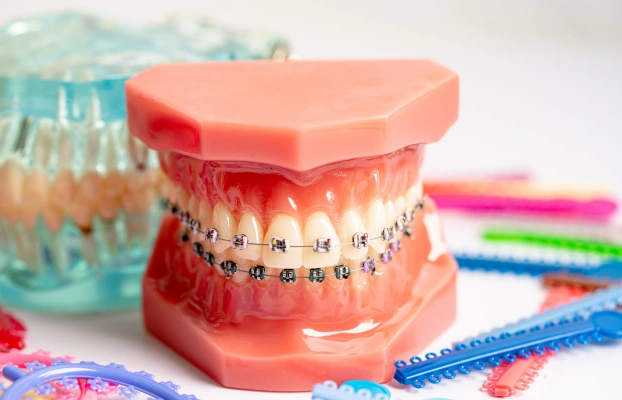
Braces! What now?
Don’t worry! Braces aren’t nearly as scary as you may think. In fact, today they come in a variety of styles, materials, and colors, making life with braces much easier, more comfortable, and even more stylish than in the past.
How long will I have to wear braces?
The amount of time it takes to treat your smile with braces depends on three key factors:
- Early treatment — Early treatment allows us to monitor the growth of the jaw and recommend further orthodontic treatment if it becomes necessary. Not everybody receives early orthodontic treatment, and in some cases it may be recommended that a patient wait until later to receive treatment.
- What needs correction — The amount of treatment needed to correct a problem will determine how long the process takes. Different patients react to treatments differently: while it may take one patient only 12 months to complete the treatment, it may take another 24 months. Treatment times can vary, depending on how quickly your body responds and how much work is needed to give you the show-stopping smile you desire.
- YOU! — Your willingness to use the appliances Dr. Bally gives you plays a major role in the length of time it takes to complete your treatment. Always remember to take care of your braces and appliances; this truly will help make your treatment shorter!
Braces Your Way!
Our practice offers a variety of braces, types, and styles to choose from. Some common options include:
- Ceramic braces
- Invisible braces
- Lingual braces
- Traditional metal braces
Orthodontic braces are a big part of life for many people your age. While braces may have had a bad reputation in the past, today’s braces make it easy to look good and feel good! Please contact our practice to schedule your next orthodontic checkup.
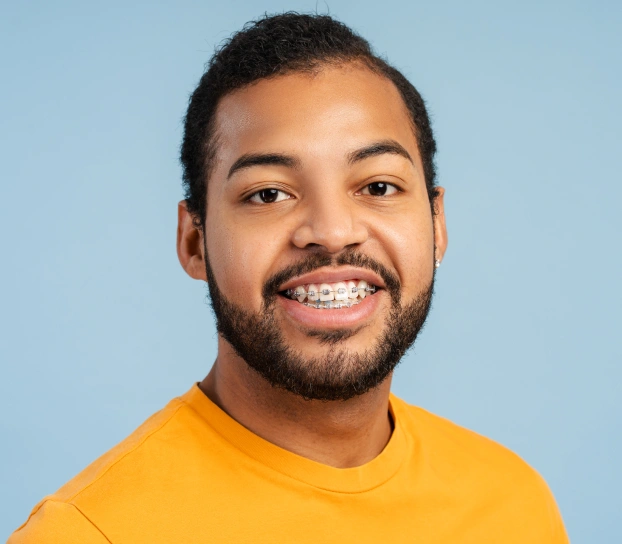
Orthodontic Treatment for Adults
Orthodontic treatment is no longer just for teens. In fact, the American Association of Orthodontists states that one in five orthodontic patients is over the age of 21.
Many adults are choosing to receive treatment because they understand the importance of maintaining their health, and they want to feel better about their appearance. Adults everywhere are taking advantage of the opportunity to receive orthodontic care, and now you can too.

Treatment Options for Adults
For many adults, the thought of having metal braces is enough to discourage them from seeking treatment. However, today’s orthodontic treatment options offer a variety of braces and appliances that are comfortable, aesthetic, and customized to meet your needs. Types of braces include:
- Clear braces
- Ceramic braces
- Self-ligating braces
- Lingual (behind the tooth) braces
- Invisible braces
- Traditional metal braces

Common reasons why adults are considering orthodontic treatment
- A bad bite or malocclusion, which causes teeth to fit together incorrectly
- Teeth are crowded or spaced apart, possibly leading to tooth decay or gum disease
- Abnormal jaw pain or pressure caused by crooked teeth
- Desire for a healthier mouth and a more confident smile
The difference between adult orthodontics and orthodontics for children and teens
The main difference between treating adults and children or teens is that the jawbones of younger patients are still developing. For adults, these bones have stopped growing, which may make orthognathic surgery necessary to align the jawbones. Other differences include:
- Gum or bone loss (periodontal disease) — Adults are more likely than children to experience gum recession or even bone loss due to gingivitis or advanced periodontal disease. Patients with straighter teeth are less likely to get gum disease.
- Worn or missing teeth — Over time, teeth can become worn down and shift into different positions that can only be corrected with orthodontic care. Missing teeth can cause other teeth to shift and tilt, creating a bad bite and increasing the possibility of gum disease.
- Incomplete orthodontic treatment as a teen — Many adults received some orthodontic treatment as a child or teen, but never completed their treatment. As an adult, they choose to complete their orthodontic treatment to achieve the healthy, beautiful smile they always wanted.
Our practice also recognizes that adults and children have different needs, and require different levels of attention and care. We will work with you to ensure you receive the most appropriate treatments, and your needs are met with understanding and respect from us.
Why should you consider orthodontic treatment?
- Straight teeth are healthy teeth — Teeth that are properly aligned are easier to keep clean with flossing and brushing, and may help prevent other health problems.
- A beautiful, straight smile builds confidence — Orthodontic treatment can help boost your self-confidence, giving you a better quality of life and the freedom to smile without holding back!
- Mouths left untreated can get worse — Not receiving orthodontic treatment when it’s needed can create long-term health issues that cost you more in the end.
To learn more about the benefits of adult orthodontics, please contact our practice to schedule an appointment. We understand you have a busy schedule, and we will work with you to make sure each office visit is as convenient as possible.