Juno Beach Office:


Occlusal Appliance for Managing Tooth Wear
If you frequently wake up with jaw soreness, ear pain, or headaches, or notice that you clench or grind your teeth, you may be experiencing a common condition known as bruxism.
While the exact cause of bruxism is not fully understood, several factors may play a role. Stress at home, school, or work, sleep disturbances, an improper bite, and crooked or missing teeth can all contribute to this condition. Many people are unaware they grind their teeth because it often happens during sleep. If left untreated, bruxism can result in broken or cracked teeth, damaged dental restorations, and even tooth loss.
Understanding Tooth Wear
Understanding tooth wear helps patients recognize how daily habits affect enamel over time. Factors like grinding, acidic foods, and aggressive brushing can gradually damage teeth. Early identification allows for simple changes and preventive care, helping protect tooth structure, reduce sensitivity, and maintain long-term oral health.
Bruxism (Clenching and Grinding)
Bruxism refers to clenching or grinding teeth, often during sleep or times of stress. This habit can wear down enamel, cause jaw discomfort, and lead to headaches. Early evaluation helps identify the cause and guide solutions, such as protective appliances and habit changes, to prevent long-term damage.
TMD Condylar Degeneration
TMD condylar degeneration involves breakdown or remodeling of the jaw joint’s condyle, affecting how the joint functions. Patients may notice pain, clicking, limited movement, or bite changes. Early evaluation helps monitor joint health and guide treatment to reduce discomfort and support stable jaw function over time.
Occlusal Appliance for Tooth Wear
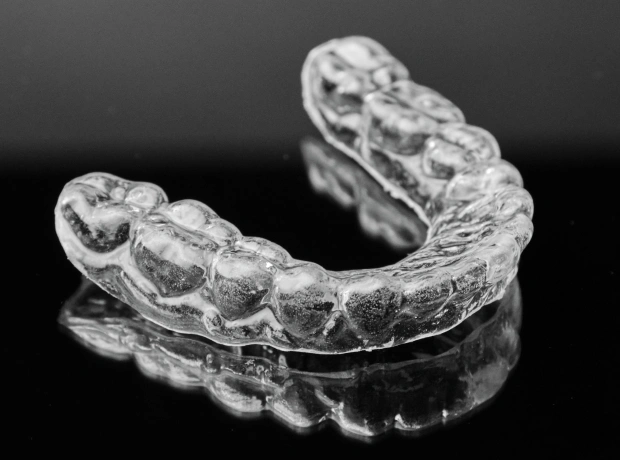
An occlusal appliance for tooth wear is a custom-made guard worn over the teeth to reduce damage from grinding or clenching. It helps protect enamel, relieve jaw strain, and distribute bite forces evenly. Regular use can slow further wear and support long-term comfort and function.
Anterior Bite Plane
An anterior bite plane is a custom appliance that covers the front teeth to reduce pressure from clenching and grinding. By separating the back teeth, it helps relax jaw muscles, protect enamel, and manage bite-related discomfort, supporting improved function and reducing strain on the jaw joint.
Home Maintenance for Oral Appliances
Home maintenance for oral appliances focuses on keeping devices clean, comfortable, and effective. Patients are guided to rinse and brush appliances daily, store them properly, and avoid heat exposure. Consistent care helps prevent odor, buildup, and damage, ensuring the appliance continues to fit well and function as intended.
Equilibration
Equilibration is a precise adjustment of the biting surfaces of teeth to improve how they come together. By reshaping small areas, it helps balance bite forces, reduce pressure points, and relieve discomfort. This process supports better jaw function, minimizes wear, and promotes long-term oral stability.
Nightguards for the Management of Bruxism
Bruxism can be treated with a simple, non-invasive solution. Nightguards are an effective way to protect your teeth from the wear and damage caused by grinding over time. Custom-made by a dentist from durable yet comfortable materials, a nightguard fits over the upper or lower teeth and prevents direct contact with the opposing teeth.
Selecting the right nightguard is important. There are three main types available: pre-made nightguards, “boil-and-bite” nightguards, and custom-made nightguards provided by our office. When choosing a nightguard, it should be tear-resistant, comfortable, properly fitted, easy to clean, and designed so it does not interfere with breathing.
A custom nightguard made in our office meets all of these standards, as it is designed specifically to fit your teeth and provide optimal comfort and protection.
Protecting Your Bite Understanding Occlusal Disease
Occlusal disease occurs when the upper and lower teeth don’t align properly, a condition also called malocclusion. If left untreated, it can cause damage to your teeth, the supporting bone and gums, your jaw joints (TMJ), and the muscles you use for chewing.
Many people assume excessive or unusually fast tooth wear is just a normal part of aging. However, our office can provide treatments to relieve the pain, discomfort, and long-term damage caused by occlusal disease.
How to Recognize Occlusal Disease
- Worn or flattened tooth enamel
- Cracked or broken teeth
- Increased tooth sensitivity
- Receding gums
- Loss of bone support around teeth
- Jaw or facial muscle pain
- Temporomandibular joint (TMJ) discomfort or dysfunction
Our goal is to protect your oral health while planning for the long-term success of any restorative treatments. Addressing occlusal disease helps ensure lasting oral health and maximizes the longevity and effectiveness of your dental restorations.