Juno Beach Office:



Proven Orthodontic Solutions for Lasting Results
Traditional orthodontic treatments remain the gold standard for addressing complex bite and alignment issues. By using fixed brackets and archwires, this proven method applies consistent, gentle pressure to shift teeth into their ideal positions. Modern braces are smaller, more comfortable, and highly effective at closing gaps, reducing crowding, and correcting overbites and underbites—delivering reliable, long-lasting results.
First Visit: Orthodontic Exam
A first orthodontic exam at Modern Dental Smiles focuses on understanding your bite, alignment, and overall oral health. Using digital imaging and a detailed evaluation, the team identifies concerns early and outlines personalized treatment options, helping you clearly understand the next steps toward a healthier, well-aligned smile.
Getting Traditional Braces Put On
Getting traditional braces at Modern Dental Smiles is a precise, step-by-step process designed for comfort and accuracy. Brackets are carefully placed and connected with archwires to begin alignment. The team explains what to expect, how to care for your braces, and how treatment will gradually guide your teeth into proper position.
Traditional Orthodontics
Traditional orthodontics at Modern Dental Smiles focuses on correcting misalignment, bite issues, and spacing concerns using proven techniques like braces. Through consistent adjustments and careful monitoring, treatment gradually improves function and appearance, helping patients achieve a balanced bite and a straighter, healthier smile over time.
Pre-Orthodontic Bonding
Pre-orthodontic bonding at Modern Dental Smiles prepares teeth for successful alignment by reshaping or building up specific areas. This step improves bracket placement, enhances contact points, and supports more predictable tooth movement, ensuring orthodontic treatment progresses efficiently while maintaining proper function and aesthetics.
Post-Operative Instructions for Braces
Post-operative instructions for braces help patients manage discomfort and protect their new appliances after placement or adjustments. Guidance includes what to eat, how to clean around brackets, and ways to reduce soreness. Following these steps supports healing, prevents damage, and keeps orthodontic treatment on track.
Dental Hygiene Routines with Braces
Dental hygiene routines with braces require extra care to keep teeth and gums healthy during treatment. Patients learn how to brush around brackets, use flossing tools, and rinse effectively to remove trapped food and plaque. Consistent habits help prevent staining, cavities, and gum issues while teeth are being aligned.
Orthodontic Home Care for Traditional Braces
Orthodontic home care for traditional braces focuses on protecting appliances and maintaining oral health throughout treatment. Patients are guided on proper brushing, flossing with special tools, and avoiding foods that can damage brackets or wires. Consistent care helps prevent plaque buildup, reduces discomfort, and supports steady, effective tooth movement.
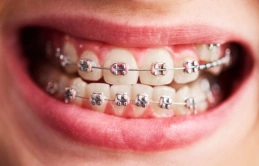
Traditional Metal Braces
Traditional metal braces are the most commonly used orthodontic treatment and are now more comfortable than ever. Made from high-quality stainless steel, these braces use metal brackets and archwires to gradually straighten your teeth. You can also add a personal touch by choosing colored elastics, making your braces as unique as your smile.
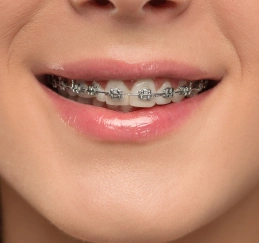
Self-Ligating Braces
Self-ligating braces are similar to traditional braces but don't require elastic bands. This design reduces friction, allowing for a more comfortable treatment process and typically fewer adjustment appointments. Available in metal, ceramic, or clear brackets, they use a specialized clip to hold the archwire in place. This system applies gentler pressure and is more efficient, requiring less maintenance due to the absence of elastics.
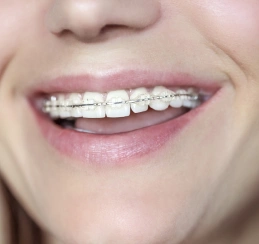
Clear (Ceramic) Braces
Made from clear or tooth-colored materials, ceramic braces are a less noticeable alternative to traditional metal braces. These are often chosen by teens and adults who prefer a more discreet treatment option. While they offer a more subtle appearance, ceramic braces require extra care in oral hygiene. They are slightly larger and more fragile than metal braces, making them ideal for the upper front teeth rather than the lower teeth.
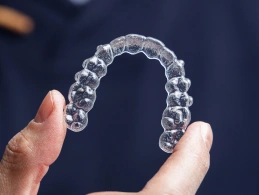
Clear Aligners
Clear aligners are a popular alternative to traditional braces, using a series of nearly invisible, removable trays to straighten teeth. The aligners are convenient, as they can be removed when eating or drinking, and make brushing and flossing easy. Comfortable and made from acrylic, they contain no metal parts, reducing the risk of mouth irritation during treatment.
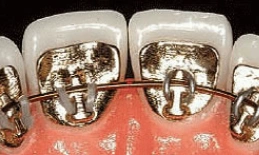
Lingual Braces
Lingual braces are placed on the back of the teeth, making them virtually invisible when you smile. Custom-fitted to your unique dental structure, these braces are made from metal components specifically designed for your treatment. Lingual braces are a great choice for athletes, performers, musicians, and adults who want a discreet orthodontic solution.