Juno Beach Office:


Finding the Right Dental Restoration for Your Smile
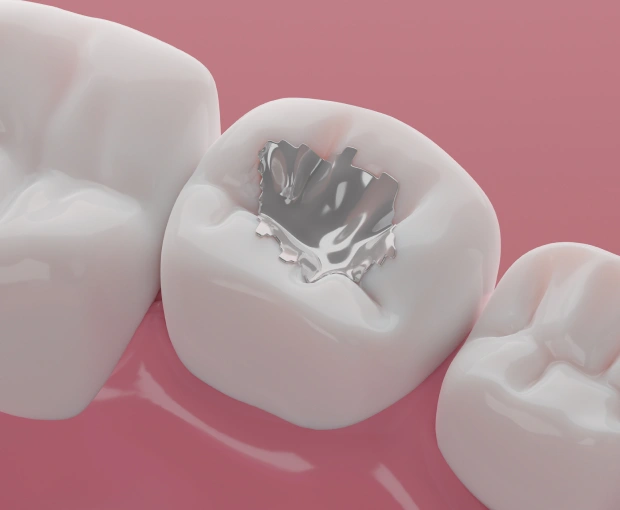
Traditional dental fillings are typically made from silver amalgam, a material known for its strength and durability. This makes it ideal for restoring teeth that endure heavy chewing forces, especially in the back of the mouth.
Modern dental fillings, such as ceramic or composite resins, are designed to closely match the color of natural teeth. These tooth-colored materials are often preferred for front teeth, where aesthetics matter most, but they can also be used on back teeth depending on the location and severity of the decay.
Composite Filling (Anterior)
An anterior composite filling repairs front teeth affected by decay, chips, or minor damage using tooth-colored material. The resin is carefully shaped and bonded to match natural enamel, restoring appearance and function. This minimally invasive treatment provides a smooth, natural-looking result while preserving as much tooth structure as possible.
Composite Filling (Posterior)
A posterior composite filling repairs decay or damage in back teeth using durable, tooth-colored resin. The material is placed and shaped to withstand chewing forces while restoring strength and function. This treatment blends naturally with surrounding teeth and preserves more of the healthy tooth structure.
Composite Versus Amalgam Filling
Composite and amalgam fillings both restore decayed teeth but differ in material and appearance. Composite uses tooth-colored resin that blends naturally and bonds to the tooth, while amalgam is a metal-based filling known for strength. The choice depends on location, function, and aesthetic preference.
Post-Operative Instructions for a Composite Filling
Post-operative instructions for a composite filling focus on protecting the restored tooth and minimizing sensitivity. Patients are advised to avoid hard foods until numbness wears off, maintain good oral hygiene, and monitor for any discomfort. Following these steps helps ensure proper healing and long-lasting results.
Which filling is right for me?
Several elements can impact how well your dental restorations perform, how long they last, and their cost, including:
- The type of material used in the filling
- The amount of remaining natural tooth structure
- The location of the tooth and how the filling is placed
- The chewing forces the tooth will need to withstand
- The number of visits and time required to prepare and adjust the restoration
Before starting your treatment, we’ll review all your options and help you select the most suitable filling for your needs. To prepare for this conversation, it’s useful to know the two main types of dental fillings: direct and indirect.
- Direct fillings are completed in a single visit. These include silver amalgam, glass ionomer, resin-modified glass ionomer, and composite (resin) fillings. The dentist prepares the tooth, places the filling, and makes any necessary adjustments all in one appointment.
- Indirect fillings usually require two or more visits. Options include inlays, onlays, and veneers made from gold, base metal alloys, ceramics, or composites. They are ideal for teeth that are too damaged for a simple filling but don’t need a full crown. During the first visit, the dentist prepares the tooth, takes an impression, and places a temporary covering. The impression is sent to a dental lab to create the restoration. At the following visit, the dentist cements the restoration in place and adjusts it for proper fit and comfort.