Juno Beach Office:



Your Child’s First Dental Visit: A Positive Start
Your child’s first dental visit should be a positive and enjoyable experience. Kids aren’t born afraid of the dentist, but unfamiliar surroundings can sometimes cause anxiety.
At our office, we take special care to explain treatments using simple, friendly, and non-frightening language. From the moment you arrive, our goal is to make both you and your child feel comfortable and confident. Knowing what to expect for the first visit helps ease any worries and sets the stage for a lifetime of healthy smiles.
First Visit (Child Exam)
A child’s first dental exam focuses on creating a comfortable, positive experience while checking early tooth development. The provider gently examines teeth, gums, and bite, and may take digital images if needed. Parents receive guidance on home care, diet, and habits to support healthy growth and prevent future issues.
Pediatric Tooth Eruption
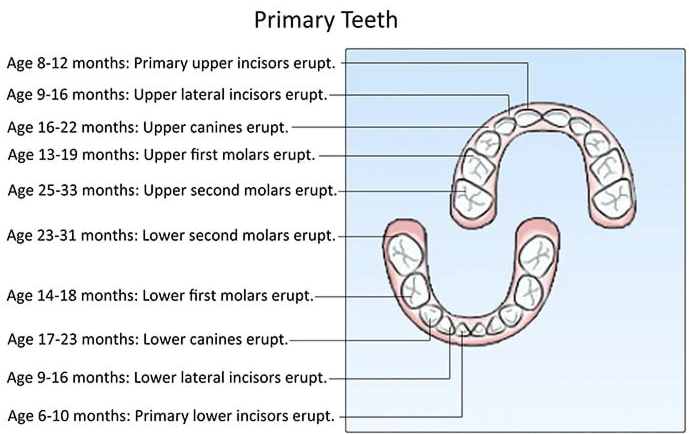
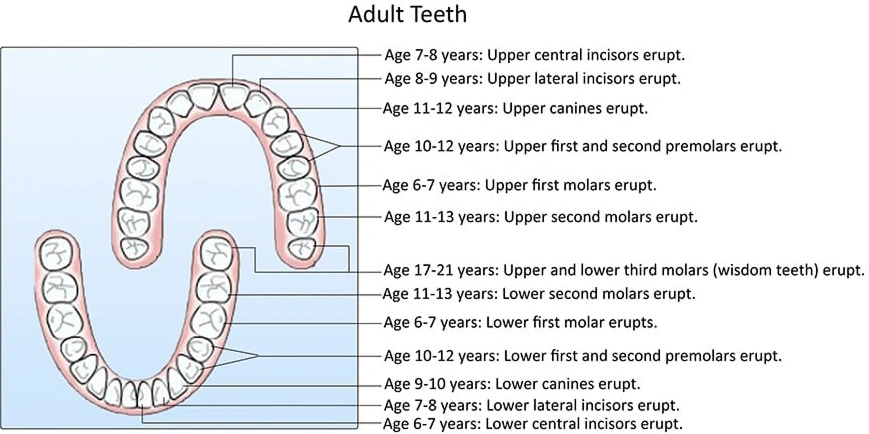
Pediatric tooth eruption refers to the natural process of baby and permanent teeth emerging through the gums. This stage is monitored to ensure proper timing and alignment. Guidance helps parents manage teething discomfort, track development, and identify any concerns early to support healthy dental growth.
AAPD Recommendations
Children should have their first dental visit by their first birthday. Early dental care is important for newly erupted teeth, which typically appear between six and twelve months, and helps establish healthy oral hygiene habits from the very start.
Exploring and learning about your teeth can be fun!
Download our Dynamite Dental Fun Kit!
When Your Child’s New Teeth Arrive
Your child’s primary (baby) teeth typically start to appear between six and 12 months of age and continue coming in until about age three. During this period, their gums may feel tender or sore.
To ease discomfort, gently rub your child’s gums with a clean finger or a cool, damp cloth. Teething rings can also help. Once teething is complete, your child will have a total of 20 primary teeth.
Primary teeth naturally fall out at different times throughout childhood. Permanent teeth begin to emerge around age six and continue until about age 21. Adults usually have 28 permanent teeth, or 32 if wisdom teeth are included.
Healthy Oral Hygiene Habits
As your child’s teeth emerge, check them every two weeks for lines or discoloration that could indicate early decay. Sugary foods and drinks can harm new teeth, so encourage brushing after meals and snacks.
For optimal oral hygiene, we recommend brushing four times a day: after breakfast, lunch, dinner, and at bedtime. Brushing can be fun, and your child should start as soon as the first tooth appears. Fluoridated toothpaste is recommended for all children starting at tooth eruption, regardless of cavity risk.
Use a tiny smear of toothpaste—about the size of a grain of rice—until age three. After age three, a pea-sized amount is appropriate. Parents should dispense toothpaste and supervise brushing to ensure proper technique.
Flossing is an important part of oral hygiene, and we will guide you on when to begin. If you notice any signs of decay, contact our office promptly for advice and care.
Keep Cavities Away with Routine Dental Visits
Tooth decay occurs when sugars in the mouth are converted into acids that can damage teeth. Children are particularly at risk because many do not consistently follow good oral hygiene habits. Regular brushing and flossing, combined with routine dental visits, help prevent decay and keep teeth healthy.
We recommend that your child visit our office every six months for dental cleanings and checkups. Fluoride treatments twice a year, along with cleanings, help maintain strong, healthy teeth.
Dental sealants are also highly recommended. They protect the deep grooves in your child’s teeth where decay is most likely to form. Sealants can last for several years and will be checked and maintained during routine dental visits.
Tooth Eruption Chart
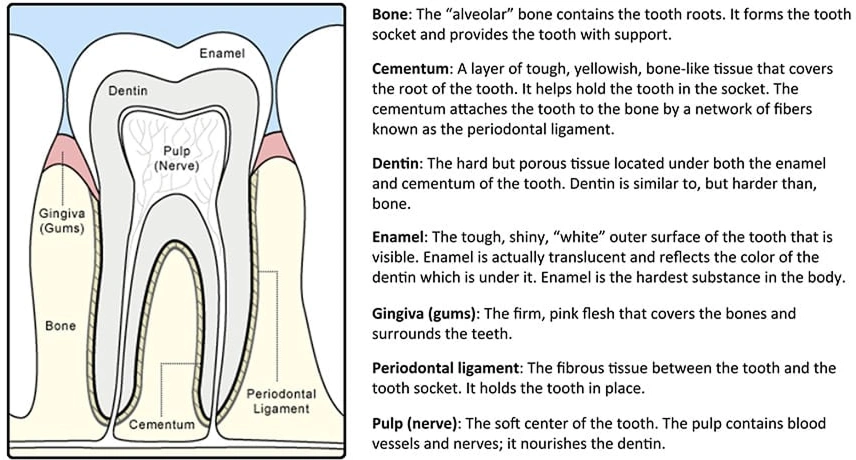
Anatomy of a Tooth