Wellington Office:


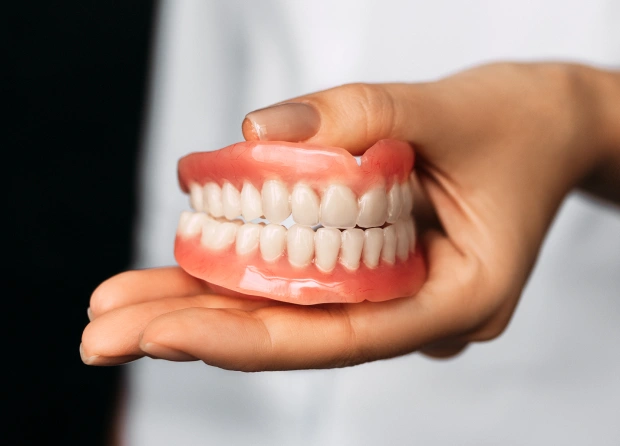
Achieving a Confident Smile With Dentures
A healthy, beautiful smile is essential for confidence, and that doesn’t change if you wear dentures. At our practice, we specialize in providing personalized denture services that prioritize your comfort and unique needs. Whether you need full or partial dentures, we create custom-fit dentures that feel natural and look great, so you can smile confidently every day.
First Visit: Dentures
A first visit for dentures focuses on evaluating oral health, jaw structure, and tooth loss to determine the best option. Digital scans or impressions may be taken to begin planning. Patients receive guidance on denture types, fit, and expectations, helping them understand the process and next steps clearly.
Removable Complete Dentures
Removable complete dentures replace all missing teeth in the upper or lower arch. Custom-designed for comfort and fit, they restore appearance, support facial structure, and improve basic functions like speaking and eating. Regular adjustments and proper care help maintain stability and long-term comfort.
Removable Partial Dentures
Removable partial dentures replace several missing teeth while using remaining natural teeth for support. Designed for a secure fit, they help restore chewing ability, maintain alignment, and improve appearance. Proper care and regular checkups help ensure comfort, function, and long-term stability.
Temporary Flipper
A temporary flipper is a lightweight, removable appliance used to replace one or more missing teeth while a permanent solution is being prepared. It helps maintain appearance and basic function, allowing patients to speak and smile with confidence during the transition period.
Immediate Denture
An immediate denture is placed on the same day teeth are removed, allowing patients to leave with a full smile. It helps maintain appearance and basic function during healing. As the gums and bone adjust, follow-up visits are needed to refine the fit and ensure ongoing comfort.
Denture Reline
A denture reline adjusts the inner surface of a denture to improve fit after changes in the gums and bone. Over time, natural shifts can cause looseness or discomfort. Relining helps restore stability, enhance comfort, and ensure the denture continues to function properly.
Alveoplasty
Alveoplasty is a minor surgical procedure that reshapes and smooths the jawbone, often after tooth removal. It creates a more even surface for dentures or other restorations to fit comfortably. This step helps improve stability, reduce irritation, and support better long-term function.
Post-Operative Instructions for Immediate Dentures
Post-operative instructions for immediate dentures focus on protecting the gums and supporting healing after tooth removal. Patients are advised to keep the denture in place as directed, follow a soft diet, maintain gentle cleaning, and attend follow-up visits. These steps help reduce swelling and improve fit as healing progresses.
Post-Operative Instructions for Dentures
Post-operative instructions for dentures focus on helping patients adjust comfortably to their new appliance. Guidance includes removing dentures as advised, cleaning them daily, eating soft foods initially, and allowing gums to rest. Following these steps helps reduce soreness, improve fit, and support long-term function.
Home Maintenance for Dentures
Home maintenance for dentures focuses on keeping them clean, comfortable, and well-fitting. Patients are guided to brush dentures daily, soak them as recommended, and handle them carefully to avoid damage. Regular care helps prevent odor, irritation, and buildup while supporting long-term function and oral health.
What Are Dentures?
Dentures are removable, natural-looking replacement teeth designed to restore the function and aesthetics of your smile. There are two main types of dentures:
-
Full Dentures: These are used when all your natural teeth have been removed.
-
Conventional full dentures are placed after the gums have healed, which typically takes several months.
-
Immediate full dentures are placed right after the teeth are removed but may need frequent adjustments during the first few months of use.
-
-
Partial Dentures: These dentures are attached to a metal frame and fill in gaps left by missing teeth. They are a removable alternative to bridges and are connected to your remaining natural teeth for added stability.
How Do I Know If Dentures Are Right for Me?
Dentures aren’t the best solution for everyone. If you’re wondering whether dentures are the right option for you, the best step is to schedule a consultation with our team. We’ll discuss your dental health, answer your questions, and help determine if dentures are the best treatment option for restoring your smile.
Caring for Your Dentures
Just like natural teeth, dentures require daily care to stay clean and maintain your oral health. Here are some essential tips for keeping your dentures in top shape:
- Handle with care: Always handle your dentures over a clean towel or sink filled with water to protect them from damage if dropped.
- Brush daily: Plaque and tartar can build up on dentures, so it’s important to brush them every day. Use a soft-bristled brush and avoid bending or breaking the plastic while cleaning. Rinse your dentures after meals to remove food particles.
- Clean with a gentle cleanser: Avoid harsh products like regular toothpaste or household cleaners. Instead, use mild hand or dish soap to clean your dentures. Look for products with the ADA seal of approval, or ask us for recommendations.
- Keep your dentures moist: When not wearing your dentures, always store them in a denture-cleaning solution or water to keep them from drying out, losing shape, or cracking. Some dentures may require specific soaking solutions, so check with us for guidance on the best product for your dentures.
- Clean your gums and tongue: Even if you wear full dentures, it’s important to keep your gums and tongue clean. Gently brush your gums and tongue with a soft-bristled brush every day.
What to Do if Your Dentures Break
If your dentures break or no longer fit properly, contact us immediately. Damaged dentures can cause discomfort, irritation, and may not function properly. We’ll help you repair or replace your dentures as needed. Remember to continue with regular dental checkups every six months to maintain your oral health and keep your smile in top condition.