Wellington Office:



Early Orthodontic Evaluations for Children
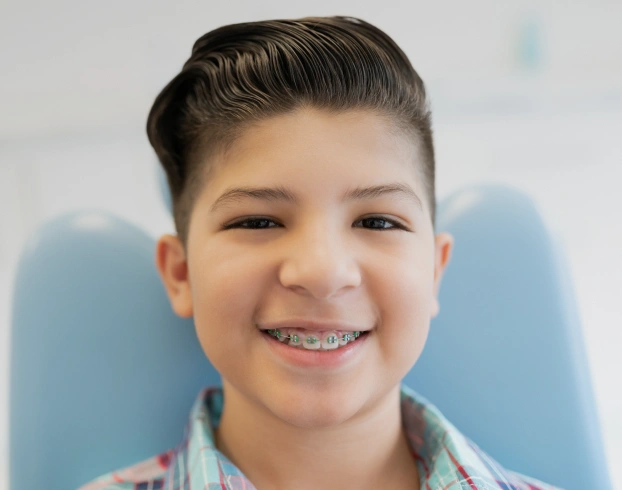
While there’s no set age to start orthodontic treatment, the American Association of Orthodontists recommends that children see an orthodontist around age seven.
By this age, most children have a mix of baby teeth and permanent teeth, making it easier for Dr. Bally to identify and address potential tooth or jaw problems early—often avoiding more complex treatments or surgery later.
Benefits of Early Treatment
- Guide the growth of your child’s jaw so permanent teeth come in straighter
- Adjust the width of the upper and lower dental arches
- Create space for crowded teeth
- Reduce the likelihood of permanent tooth extractions in the future
- Correct thumb-sucking habits and improve minor speech issues
For parents, it's not always easy to know if your child may need orthodontic treatment.
Why Start Early?
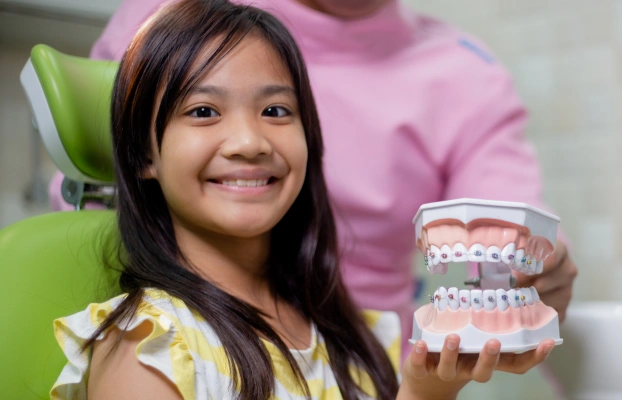
Phase One treatment typically begins around ages eight or nine, while Phase Two occurs around age 11 or older. The goal of early treatment is to guide the growth of your child’s jaw, correct bite problems like underbites, and make space for permanent teeth to emerge correctly. Early intervention can help prevent more serious orthodontic issues in the future, reducing the need for extractions and more invasive treatments.
Signs Your Child May Need an Orthodontic Evaluation
- Early or delayed loss of baby teeth
- Difficulty chewing or biting food
- Mouth breathing
- Persistent thumb or finger sucking
- Crowded, crooked, or blocked teeth
- Jaws that shift, pop, or make sounds when opening and closing
- Teeth that do not align properly when biting
- Jaws or teeth that seem out of proportion with the face
- Crowded front teeth around ages seven or eight
Early evaluation gives your child the best chance for a healthy, confident smile in the future. Contact our office today to schedule an appointment for an orthodontic checkup.
Causes of Orthodontic Problems
Orthodontic issues such as crooked or crowded teeth, jaw growth problems, and poor bites may be inherited or caused by habits like thumb sucking, early loss of baby teeth, or mouth injuries.

Everything Teens Need to Know About Braces
Hearing the words “You need braces!” can be a little scary—but don’t worry! Modern orthodontics at Modern Dental Smiles is nothing like the braces of the past. With options ranging from colorful, customizable braces to nearly invisible aligners, getting a straight, healthy smile is faster, more comfortable, and even stylish.
Braces Your Way
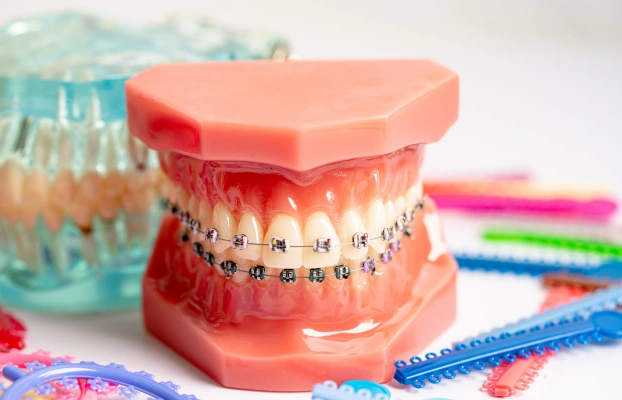
At our practice, you can choose the braces that fit your lifestyle:
- Traditional metal braces (with colorful bands)
- Ceramic braces
- Lingual braces (behind the teeth)
- Invisible aligners
Orthodontics is a normal part of life for many teens. Today’s braces are designed to help you look good, feel good, and smile with confidence!
Braces! What Happens Next?
Braces aren’t as intimidating as they might seem. Today, they come in a variety of materials, colors, and styles to make treatment easier, more comfortable, and even fun!
How Long Will I Wear Braces?
The length of your treatment depends on three main factors:
- Early Treatment — Starting treatment at the right time allows us to monitor jaw growth and plan future orthodontic steps if needed. Not every teen requires early treatment, and some may wait until later for braces.
- What Needs Correction — The severity of your bite or alignment issues affects treatment time. Some teens may finish in 12 months, while others may need up to 24 months. Everyone responds differently, and our goal is a healthy, confident smile.
- Your Cooperation — How well you follow instructions—like wearing rubber bands or aligners—can make a big difference. Taking care of your braces and appliances can help shorten your treatment time.
Orthodontic Treatment for Adults
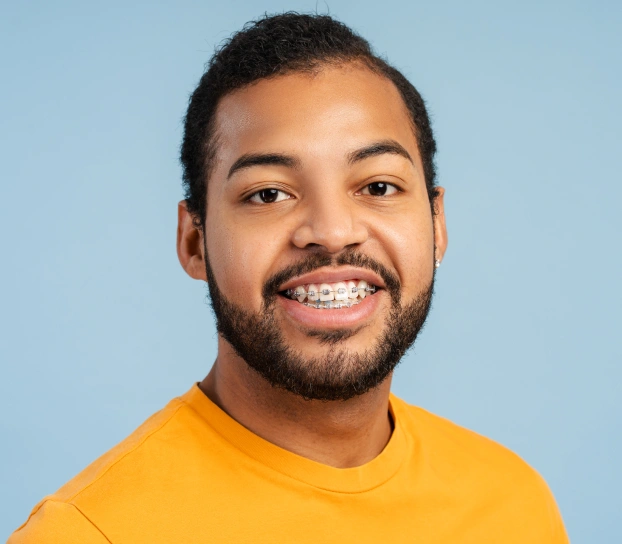
Orthodontic care isn’t just for teenagers anymore. In fact, the American Association of Orthodontists reports that one in five orthodontic patients is over the age of 21.
Many adults are seeking treatment not only to improve their appearance but also to maintain long-term oral health. Whether it’s correcting crowding, bite issues, or alignment concerns, adults today have more options than ever to achieve a healthy, confident smile.

Treatment Options for Adults
The idea of traditional metal braces can be intimidating, but modern orthodontics offers a range of comfortable, effective, and discreet options:
- Clear braces
- Ceramic braces
- Self-ligating braces
- Lingual (behind the tooth) braces
- Invisible braces
- Traditional metal braces

Why Consider Adult Orthodontics?
-
Healthier teeth and gums: Properly aligned teeth are easier to clean and help prevent cavities, gum disease, and other oral health issues.
-
Confidence and self-esteem: A straight, beautiful smile can improve your overall quality of life and give you the freedom to smile confidently.
-
Prevent long-term problems: Leaving misaligned teeth untreated can lead to more serious issues that may require complex, costly treatments in the future.
Ready to take the next step? Contact our office to schedule a consultation. We understand your busy schedule and will make every appointment as convenient as possible.
Common Reasons Adults Seek Orthodontic Treatment
- A bad bite or malocclusion, where teeth do not fit together properly
- Crowded or widely spaced teeth, which can increase the risk of decay or gum disease
- Jaw pain or pressure caused by crooked teeth
- Desire for a healthier mouth and an improved, confident smile
Adult vs. Teen Orthodontics
The main difference between adult and teen treatment is jaw development. While children and teens have growing jawbones, adults’ bones have fully developed, which can sometimes require surgical intervention for severe jaw misalignment.
-
Gum or bone loss (periodontal disease): Adults are more likely to experience gum recession or bone loss. Straight teeth are easier to clean, reducing these risks.
-
Worn or missing teeth: Over time, teeth can shift, tilt, or wear down, creating bite issues and potential gum problems.
-
Incomplete teen orthodontic treatment: Some adults start orthodontics as children but never finish. Adult treatment allows them to complete their journey to a healthy, beautiful smile.
At Modern Dental Smiles, we recognize that adults and children have different needs. We provide personalized treatment with care, attention, and respect to ensure the best results.