Wellington Office:


Sinus Lift Augmentation
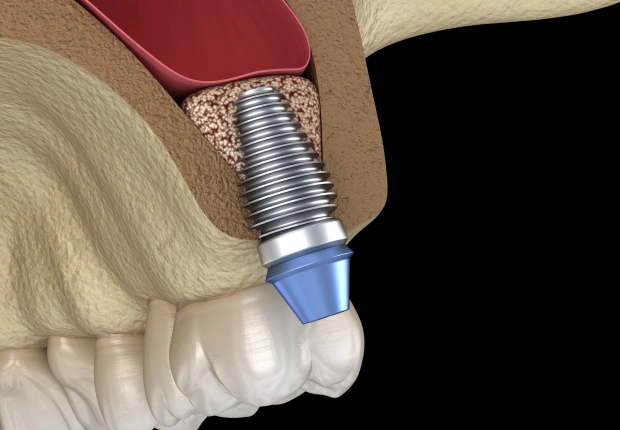
After losing upper back teeth, the sinuses can enlarge, creating challenges for implant placement. To address this, a sinus lift augmentation or graft is performed to reposition the sinus cavity and restore the bone lost due to the sinus expansion. This bone graft requires nine to twelve months to heal before dental implants can be placed into the newly grafted bone.
Osteotome Sinus Lift with Implant Placement
An osteotome sinus lift with implant placement is a procedure used to add bone to the upper jaw when there is insufficient bone height for dental implants. It involves lifting the sinus membrane and adding bone material, followed by the placement of an implant. This technique improves the success of implants in areas with limited bone structure.
Osteotome Sinus Lift
An osteotome sinus lift is a surgical procedure used to increase bone height in the upper jaw, particularly in areas where the bone is too thin for dental implants. The procedure involves gently lifting the sinus membrane and adding bone graft material, creating a stable foundation for implants to be placed.
Sinus Lift- Lateral Window
A lateral window sinus lift is a surgical procedure used to add bone to the upper jaw in areas where there is insufficient bone for dental implants. The surgeon creates a small window in the side of the sinus to access and lift the sinus membrane, then fills the space with bone graft material. This technique enhances the stability and success of dental implants in the upper jaw.
Autogenous Bone Grafting
Sometimes, the areas where dental implants need to be placed lack enough bone for secure placement. In these cases, bone can be "borrowed" from another area of your mouth, often from the chin or the back of the jaw where your wisdom teeth once were, and grafted into the deficient area to support the implants.
Implant Site Development
When a tooth is removed due to infection, bone loss around the affected area is common. In these cases, bone grafting can often be performed simultaneously with the tooth extraction, preparing the site for dental implant placement in the future.
Computer-Enhanced Treatment Planning
Using advanced 3D software, we evaluate your bone quality, quantity, and location to ensure the optimal placement of your dental implants. This technology allows us to collaborate seamlessly with your restorative dentist, ensuring the best possible outcome for your implants.
Implant Maintenance
After your dental implant restoration is complete, maintaining proper hygiene is essential to prevent infection and ensure long-term success. Just like natural teeth, dental implants can accumulate plaque and tartar. Regular professional cleanings are necessary to keep your implants healthy and functioning well. The frequency of these cleanings will depend on your specific needs and dental condition.