Wellington Office:


Impacted Teeth Causes, Treatment, and Solutions
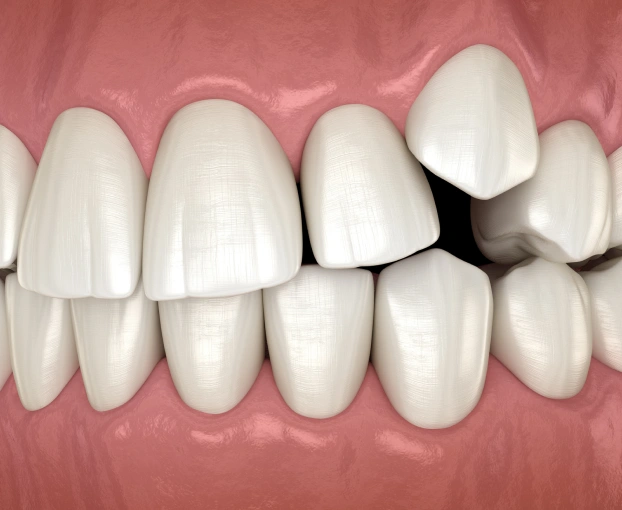
An impacted tooth is one that is blocked or "stuck" beneath the gum line and fails to erupt into its proper position. While wisdom teeth (third molars) are the most commonly impacted teeth, canine teeth are also frequently affected. Canine teeth, located at the corners of both the upper and lower arches next to the incisors, play an important role in grasping, holding, and tearing food. Due to their long roots, they are strong and stable but are typically the last to emerge, usually around the age of 12 or 13.
Supernumerary Teeth
Supernumerary teeth are extra teeth that develop in addition to the normal set. These teeth may appear anywhere in the mouth and can cause alignment issues, crowding, or delays in the eruption of permanent teeth. Treatment often involves removal to restore proper alignment and function.
Congenitally Missing Teeth
Congenitally missing teeth occur when one or more teeth fail to develop. This condition can affect both appearance and oral function. Treatment options, such as dental implants, bridges, or dentures, can help restore the smile and improve bite function, depending on the severity and location of the missing teeth.
Expose & Bond (Canines)
Expose and bond is a procedure used to bring an unerupted canine tooth into proper alignment. A small surgical incision exposes the tooth, which is then attached to a bracket for guided eruption. This treatment helps ensure the canine tooth erupts correctly, improving both function and appearance.
Why Early Evaluation Matters
The American Association of Orthodontists recommends that children have an orthodontic evaluation by the age of seven. This early visit allows us to monitor the eruption of your child’s teeth and detect any impactions early, providing the best chance for timely and effective treatment.
What Happens if Your Child Has an Impacted Canine?
If your child’s canine tooth becomes impacted, a simple surgical procedure can help it erupt. This involves exposing the tooth by cutting a small flap in the gum. After exposing the tooth, we can either leave it to erupt naturally or attach an orthodontic bracket to guide it into the correct position.
The Benefits of Early Detection
With early detection and a combination of surgical and orthodontic treatments, we can help guide impacted canines into the best possible position, ensuring a healthy, functional bite and a beautiful smile for your child.
Contact us today to schedule an orthodontic evaluation for your child and ensure the best possible dental development!