Wellington Office:



A Fun and Friendly First Visit to the Dentist
A child’s first visit to the dentist should be an exciting experience! While children don’t naturally fear the dentist, they can feel nervous about the unknown. At our office, we make sure the visit is fun and stress-free by using simple, non-frightening language to explain each treatment. Our goal is to help both you and your child feel comfortable and relaxed from the moment you walk through our doors.
The more you and your child know about the visit, the more enjoyable it will be!
First Visit (Child Exam)
A child’s first dental exam focuses on creating a comfortable, positive experience while checking early tooth development. The provider gently examines teeth, gums, and bite, and may take digital images if needed. Parents receive guidance on home care, diet, and habits to support healthy growth and prevent future issues.
Pediatric Tooth Eruption
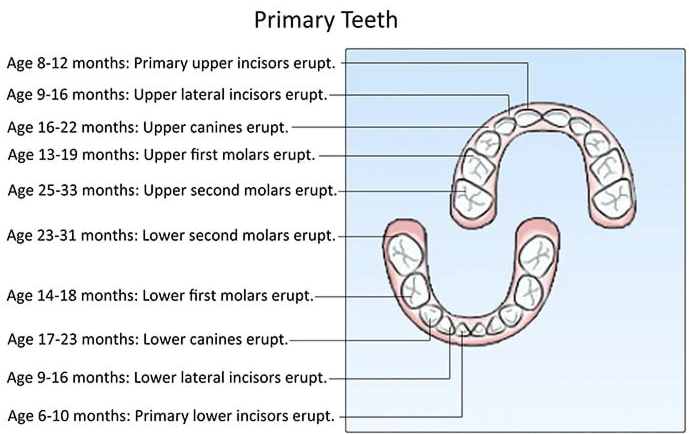
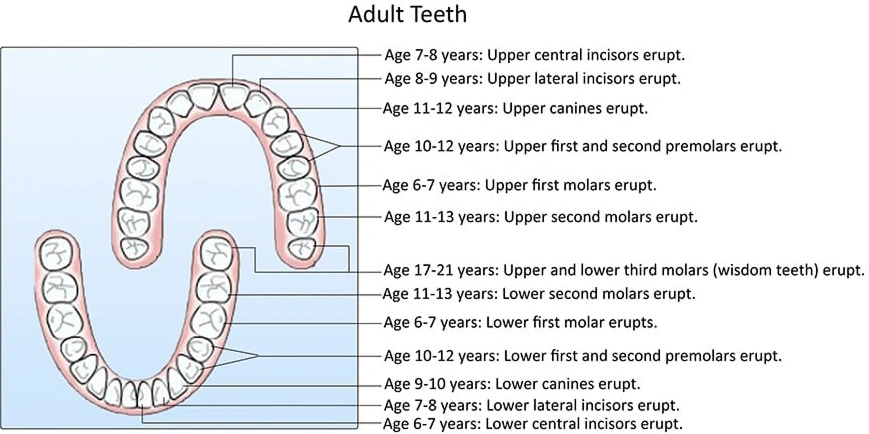
Pediatric tooth eruption refers to the natural process of baby and permanent teeth emerging through the gums. This stage is monitored to ensure proper timing and alignment. Guidance helps parents manage teething discomfort, track development, and identify any concerns early to support healthy dental growth.
When Should My Child First Visit the Dentist?
The American Academy of Pediatric Dentistry recommends that children see a dentist by their first birthday. This early visit helps ensure that your child’s newly erupted teeth (which typically appear between 6-12 months) get the care they need, and it’s a great time to start healthy oral hygiene habits.
Getting to know your teeth can be a lot of fun! Be sure to download our Dynamite Dental Fun Kit to make your child’s visit even more exciting!
Download Dental Fun Kit!
When New Teeth Appear
Your child’s primary teeth, also known as baby teeth, begin to emerge between 6 and 12 months of age and continue until around age three. During this time, your child’s gums may feel sore. To soothe them, try gently rubbing their gums with a clean finger or cool, wet cloth, or use a teething ring.
By the time your child finishes teething, they’ll have 20 primary teeth. These teeth will eventually be replaced by permanent teeth, which start coming in at age six and continue until age 21.
Healthy Oral Hygiene Starts Early
As your child’s teeth emerge, examine them every two weeks for any lines or discoloration that could indicate decay. Avoid sugary foods and drinks, which can attack new teeth, and make sure to brush your child’s teeth after meals and snacks.
We recommend brushing four times a day: after breakfast, lunch, dinner, and at bedtime. Brushing can be fun, and your child should start brushing as soon as their first tooth appears. Fluoridated toothpaste is recommended, even for young children.
For children under three, use a smear (about the size of a grain of rice) of toothpaste. After age three, you can use a pea-sized amount. Make sure to supervise and assist with brushing for the best results.
Flossing is also an important part of good oral hygiene. We’ll guide you on when to start flossing and how to make it easy for your child.
Preventing Tooth Decay with Regular Checkups
Tooth decay happens when sugars in the mouth turn into acid, which can break down teeth. Children are at higher risk for tooth decay because they often don’t maintain regular oral hygiene. A combination of good brushing, flossing, and regular dental checkups helps keep cavities away.
We recommend that your child visits us every six months for regular cleanings and checkups. Fluoride treatments twice a year also help keep teeth strong.
Additionally, tooth sealants can help protect your child’s teeth. These “seals” fill in the deep grooves in the back teeth, preventing decay from forming in those hard-to-reach areas. Sealants last for several years and are monitored during your child’s regular visits.
Tooth Eruption Chart
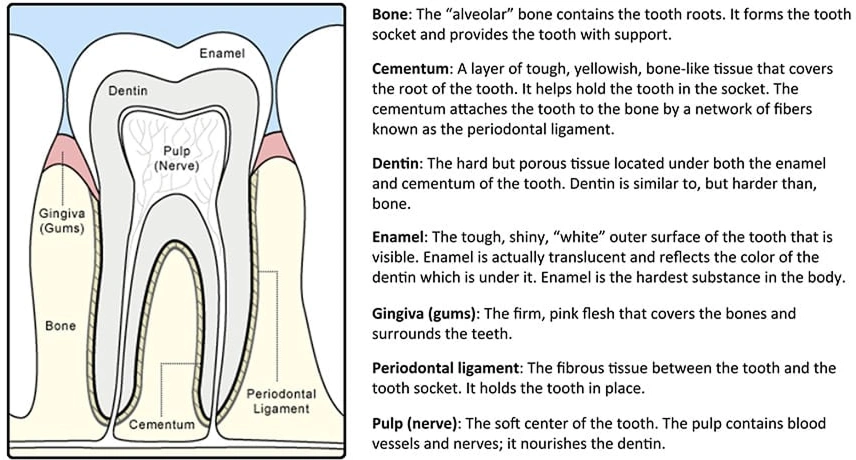
Anatomy of a Tooth