Boynton Beach Office:


Causes, Treatment, and Solutions for Impacted Teeth
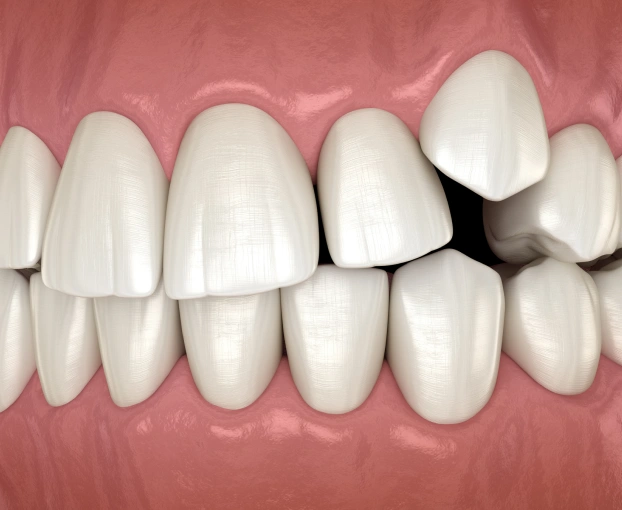
An impacted tooth occurs when a tooth becomes trapped beneath the gum line and does not erupt into its correct position. While wisdom teeth are the most common teeth to become impacted, canine teeth are also often affected. Positioned at the corners of the upper and lower dental arches beside the incisors, canine teeth are essential for biting and tearing food. Because they have long roots, they are especially strong and stable, but they are usually the last teeth to emerge, typically around ages 12 to 13.
Supernumerary Teeth
Supernumerary teeth are extra teeth that develop in addition to the normal set. These teeth may appear anywhere in the mouth and can cause alignment issues, crowding, or delays in the eruption of permanent teeth. Treatment often involves removal to restore proper alignment and function.
Congenitally Missing Teeth
Congenitally missing teeth occur when one or more teeth fail to develop. This condition can affect both appearance and oral function. Treatment options, such as dental implants, bridges, or dentures, can help restore the smile and improve bite function, depending on the severity and location of the missing teeth.
Expose & Bond (Canines)
Expose and bond is a procedure used to bring an unerupted canine tooth into proper alignment. A small surgical incision exposes the tooth, which is then attached to a bracket for guided eruption. This treatment helps ensure the canine tooth erupts correctly, improving both function and appearance.
The Importance of Early Evaluation
The American Association of Orthodontists advises orthodontic screening for children by age seven. This initial check lets us track tooth eruption and spot impactions promptly, maximizing opportunities for successful, efficient care.
Consequences of an Impacted Canine in Children
If your child's canine tooth is impacted, a straightforward surgical exposure can facilitate its eruption. This entails creating a small gum flap to uncover the tooth, then either permitting natural emergence or affixing an orthodontic bracket to direct it into alignment.
Advantages of Early Detection
Through prompt identification and integrated surgical-orthodontic therapy, impacted canines can be directed to their optimal spots, securing a functional bite and stunning smile for your child.
Reach out now to book your child's orthodontic checkup and promote ideal dental growth!