Boynton Beach Office:


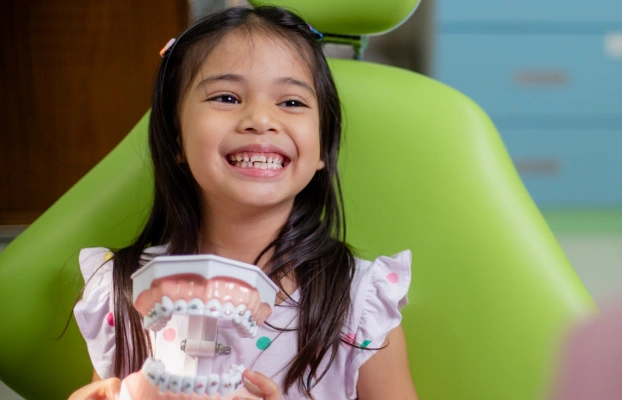
Early Orthodontic Care for Children
Early orthodontic treatment, commonly known as Phase One treatment, focuses on correcting jaw development and bite alignment concerns before all permanent teeth have fully emerged. The American Association of Orthodontists advises that children see an orthodontist by age seven to determine if early treatment may be beneficial.
Why Begin Early?
Phase One therapy usually starts at ages eight or nine, with Phase Two following around age 11 or later. Early care aims to direct your child's jaw expansion, resolve bite concerns such as underbites, and create room for permanent teeth to erupt properly. Proactive steps like this can avert major orthodontic challenges ahead, minimizing extractions and intensive procedures.
Signs Your Child Might Need Early Orthodontic Care
- Baby teeth falling out too early or too late (typically beginning around age five)
- Trouble chewing or biting into food
- Breathing primarily through the mouth
- Thumb sucking beyond the age of five
- Speech difficulties
- Teeth that stick out or are not properly aligned
- Jaw movement when opening or closing the mouth, such as with a crossbite
- Crowding of teeth around ages seven or eight
Common Causes of Orthodontic Issues
Orthodontic concerns like misaligned or crowded teeth, jaw development issues, and improper bites can stem from genetics or result from behaviors such as thumb sucking, premature baby tooth loss, or facial trauma.
Advantages of Early Orthodontic Treatment
Tackling orthodontic concerns early supports your child's proper growth and eliminates the necessity for more aggressive interventions later. After jaw growth halts post-teenage years, adult orthodontic care often extends in duration and might involve tooth removals or surgical options. Proactive early measures spare your child these advanced procedures, securing a healthier smile ahead.